
Launching a Kickstarter playing cards campaign is one of the highest-ROI projects in the crowdfunding world — small file sizes, dense audience, repeat backers, and a clear product. It's also one of the most over-promised, under-delivered categories on the platform. This guide walks through the full timeline, prototype strategy, exact 2026 pricing, and the fulfillment moves that separate funded-and-delivered from funded-and-late.
The realistic campaign timeline
| Week | Action |
|---|---|
| -12 to -8 | Finalize art. Order 15-deck prototype for photos, video, reviewer copies. |
| -8 to -4 | Beauty shoot, campaign video, page copy. Send review copies to Kardify, RPC, UnitedCardists. |
| -4 to -1 | Iterate prototype if needed. Lock final art. Final price audit. |
| 0 | Campaign launches. Push reviewer reposts, list on Kickstarter Playing Cards subreddit, e-mail list. |
| 0 to +4 | Campaign runs 30 days. Mid-campaign updates: stretch goals, behind-the-scenes. |
| +4 | Campaign closes. Send BackerKit survey for addresses + add-ons. |
| +6 to +10 | Production run pressed and packed. |
| +10 to +14 | Fulfillment ships in waves — early-bird tier first. |
Missing the prototype window is the #1 reason first-time campaigns either don't fund or fund and miss their delivery date.
Why prototype matters so much for cards
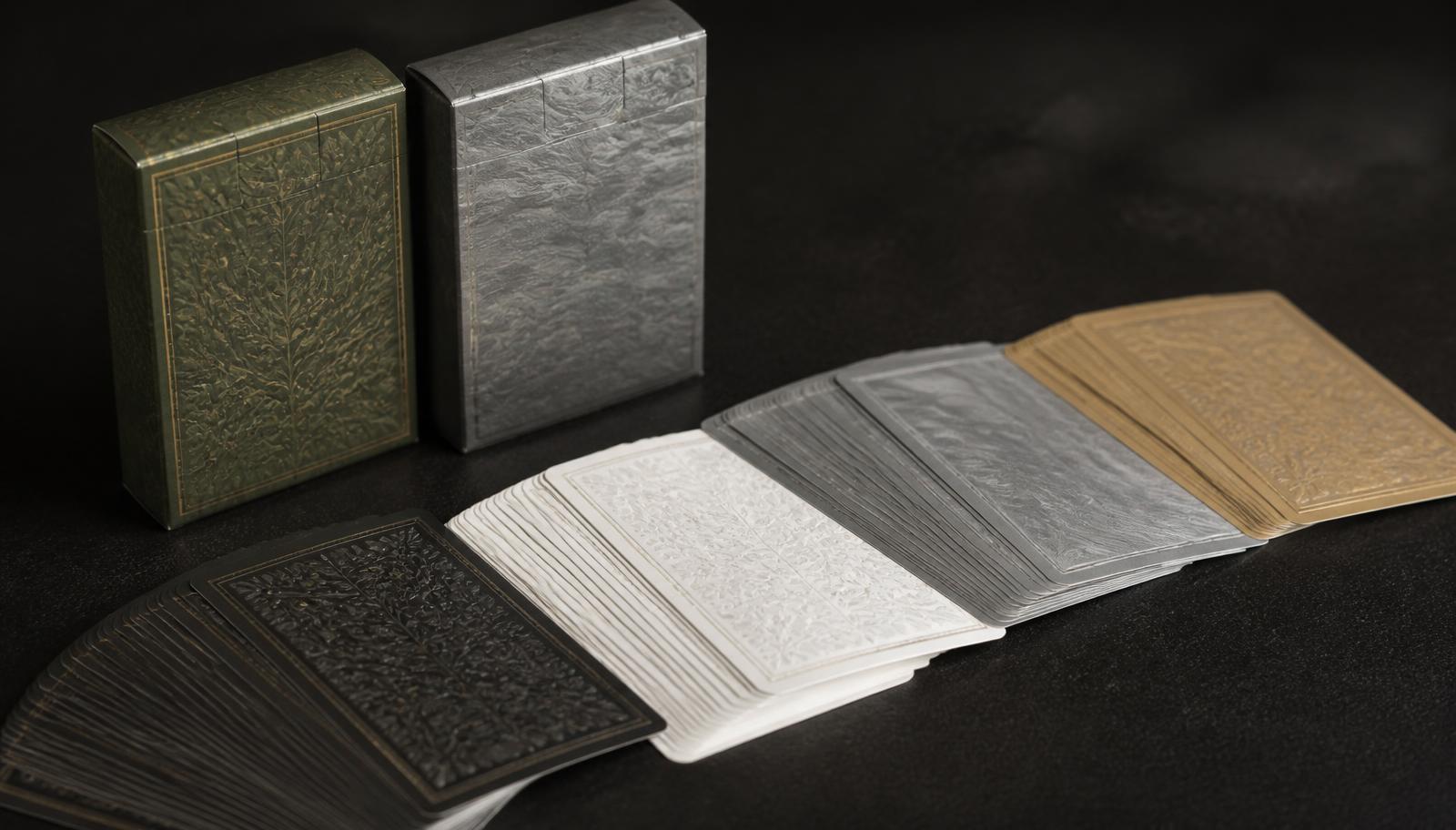
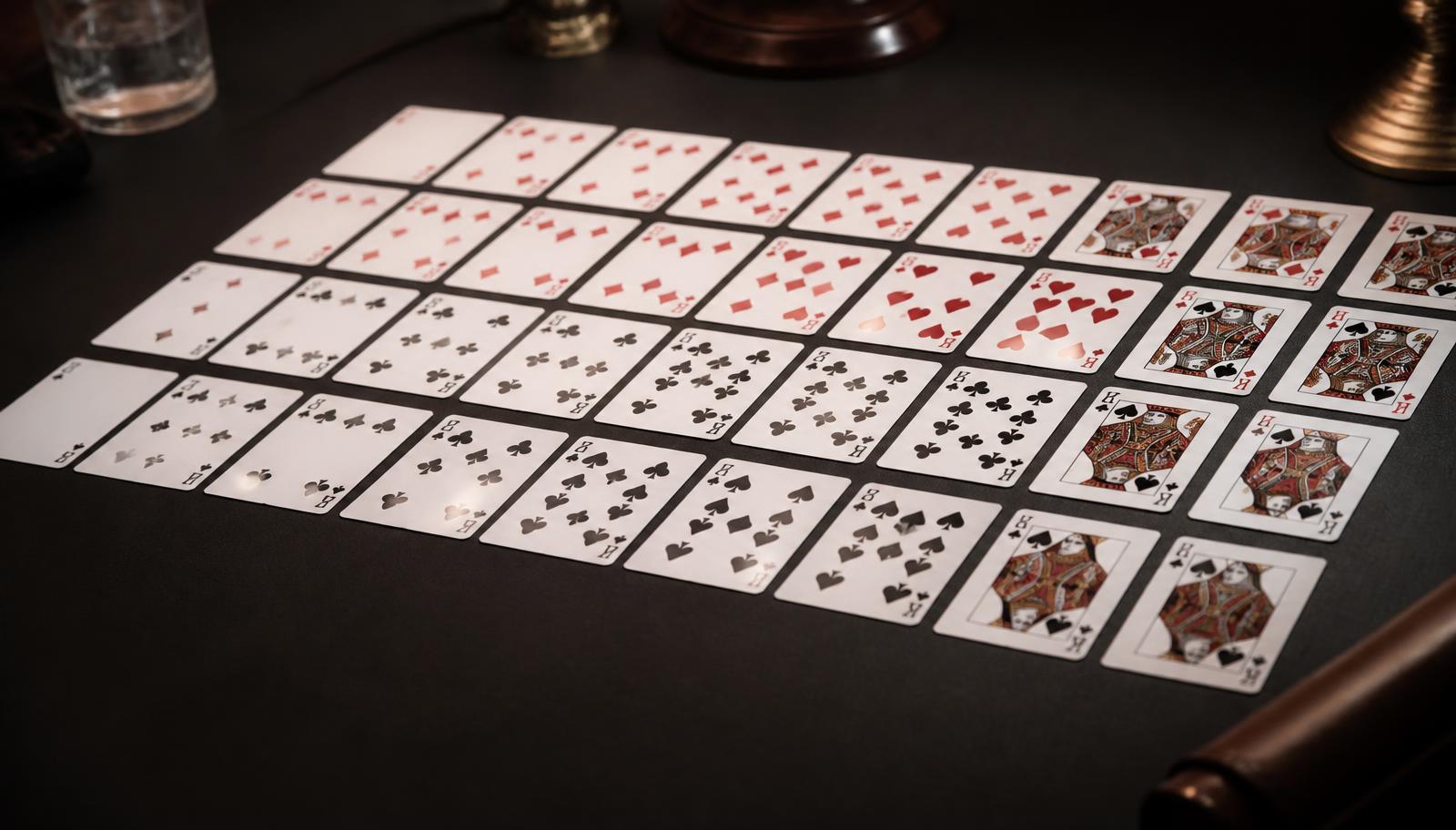
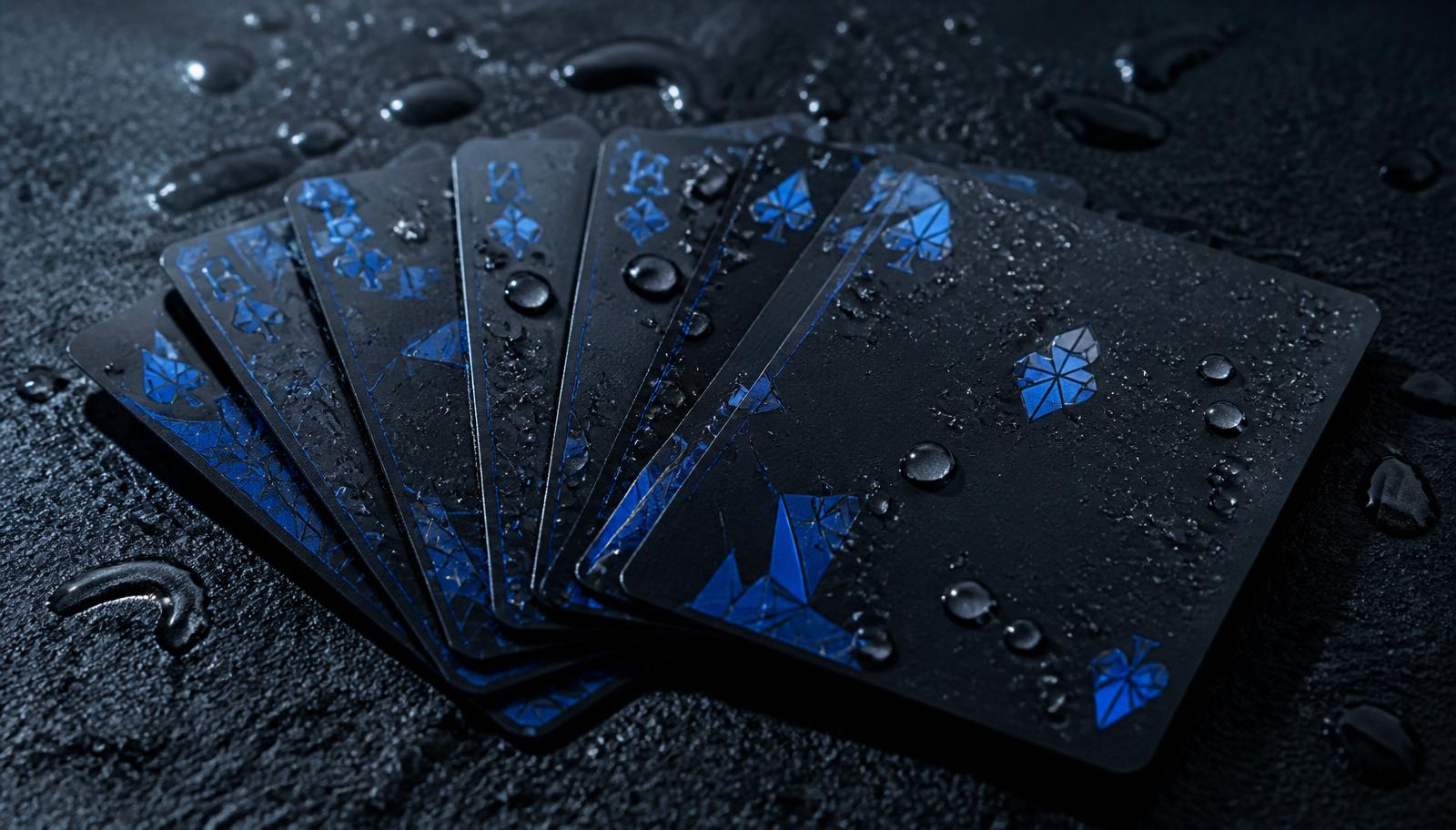
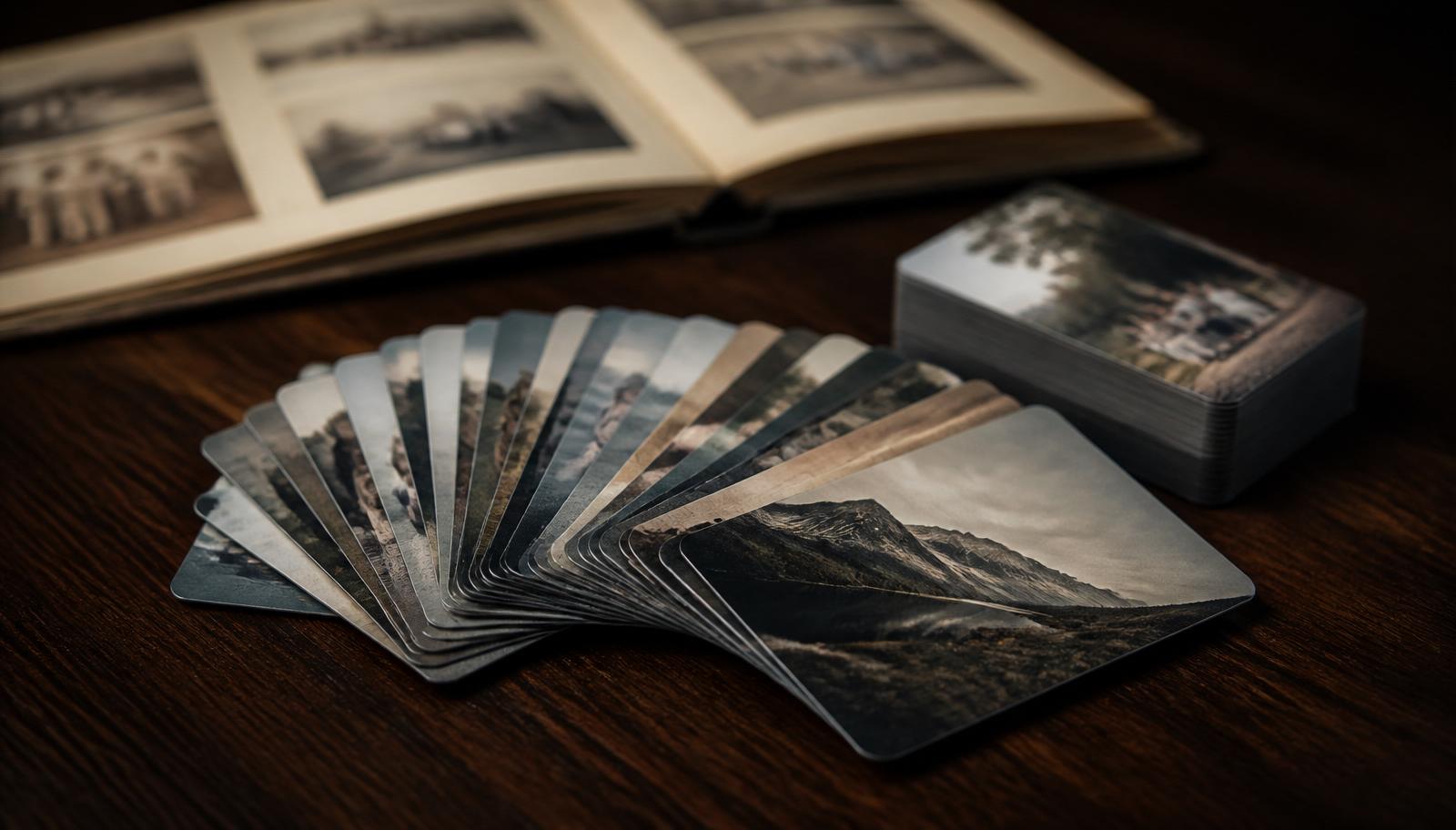
Playing cards are a tactile product. Backers fund based on photos and reviewer videos, but they decide whether to back you again based on how the deck actually feels. A real prototype:
- Photographs honestly — renders look fake on Kickstarter pages
- Tests in reviewers' hands — Kardify, RPC, UnitedCardists hold reach in this audience and they require physical decks
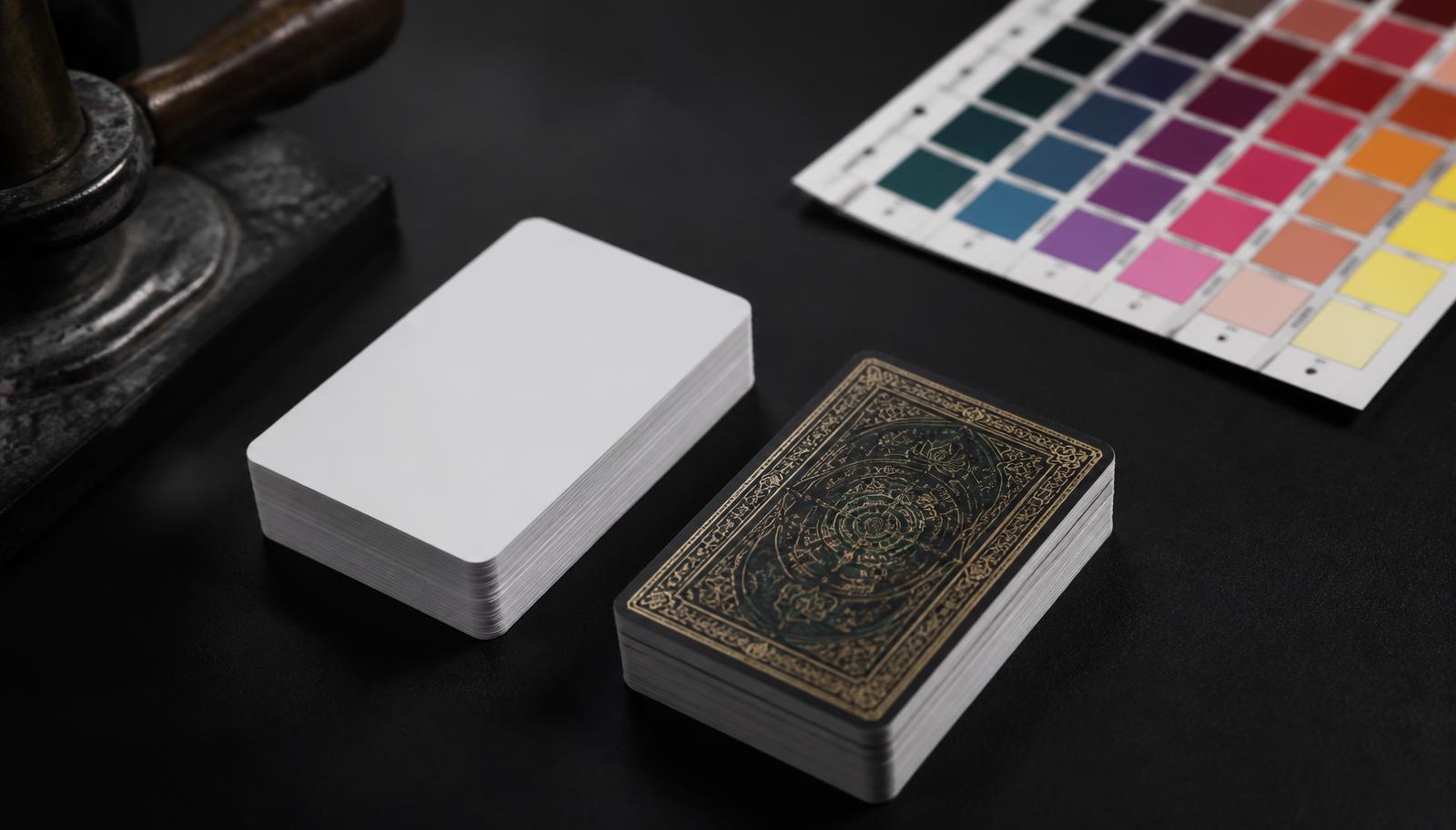
- Reveals print issues — bleed problems, color shifts, registration drift only show up on press
- Validates stock and finish — embossed linen vs smooth feels different than you expect
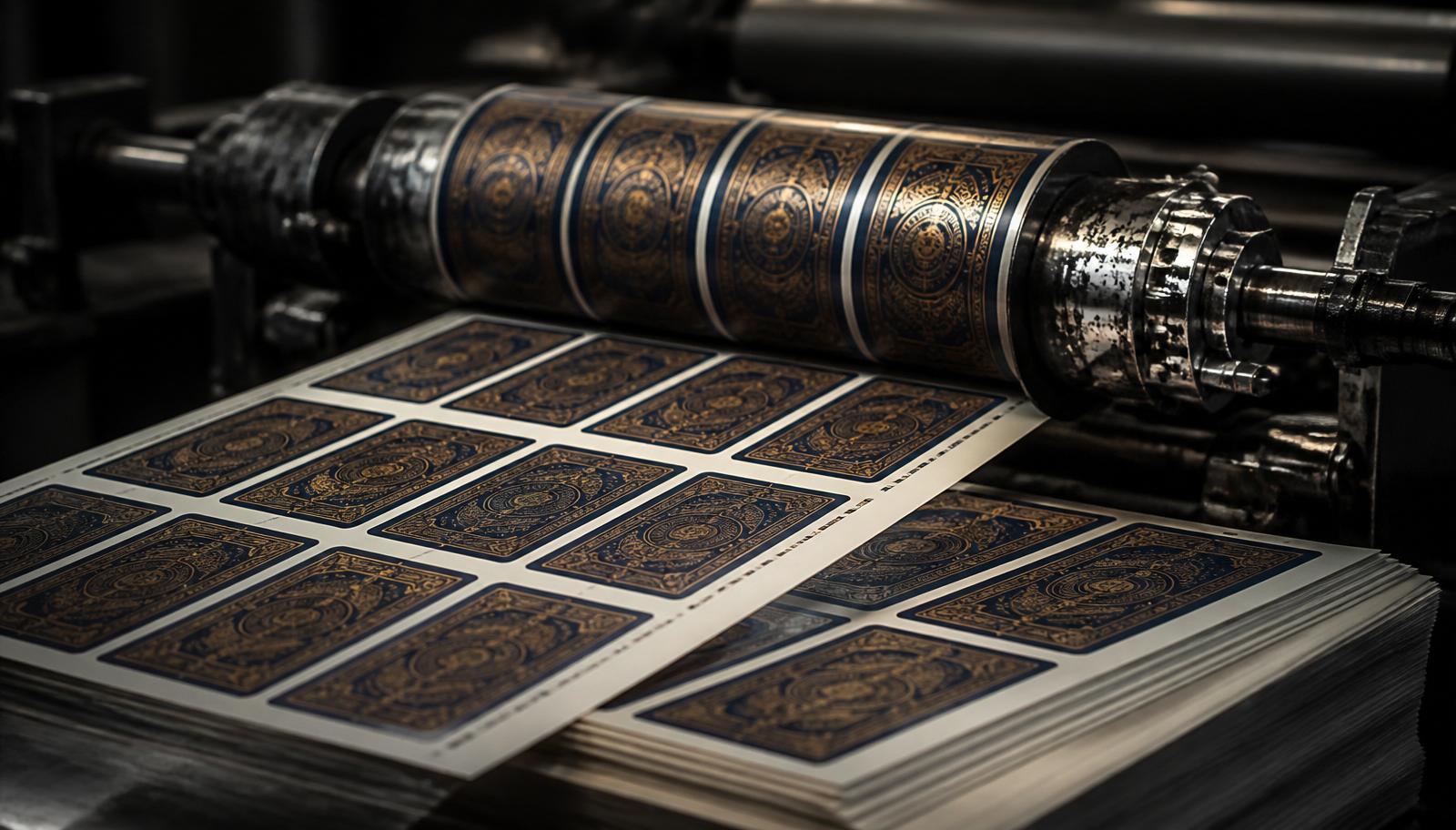
We press 15-deck prototype orders at the same quality as a 5,000-deck production run — same press, same stock, same finish.
Specs that consistently succeed on Kickstarter
- Card size: poker (2.5" × 3.5") — what the cardistry / collector audience expects. See our poker cards page.
- Stock: 310gsm deluxe black-core for the casino-grade feel. Read the stock comparison guide.
- Finish: embossed linen. Cardistry and shuffle-heavy play demands the slip; smooth feels cheap to this audience.
- Tuck box: foil-stamped or embossed at minimum. A plain CMYK tuck reads as low-effort to a collector.
- Rigid two-piece box for premium tiers — adds $1.50–$3.50/deck but lifts perceived value 2–3x.
2026 pricing — pressing your fulfillment run
Deluxe 310gsm black-core, linen finish, full-color tuck:
Prices below are illustrative for this exact spec. Final per-deck cost depends on the stock, finish, packaging, quantity, and add-ons you pick in the live quote calculator.
| Quantity | Per deck | Total | Typical Kickstarter tier |
|---|---|---|---|
| 15 | $21.83 | $327 | Prototype run |
| 25 | $16.11 | $403 | Reviewer + beta backers |
| 100 | $7.99 | $799 | Soft launch / friends & family |
| 500 | $4.36 | $2,180 | Small-fund campaign |
| 1,000 | $3.11 | $3,110 | Median funded campaign |
| 2,500 | $2.43 | $6,075 | Mid-tier success |
| 5,000 | $2.02 | $10,100 | Top 25% campaign |
Add-ons sourced from the live quote calculator (per-deck at 1,000 qty):
- Foil stamping on tuck: +$1.37/deck (gold, silver, copper)
- Embossing on tuck: +$1.37/deck
- Metallic ink on tuck: +$0.72/deck
- Print inside tuck box: +$0.29/deck
- Rigid two-piece box: +$1.50–$3.50/deck depending on size/finish
Get exact numbers in seconds at /quote — full tier breakdown lives on /pricing.
The math creators wish someone had given them
A campaign that raises $30,000 selling 1,000 decks at $30 each sounds successful. Once you subtract:
- Kickstarter + payment processing (~10%): -$3,000
- Print at $3.11/deck: -$3,110
- Fulfillment shipping (~$5/deck domestic, $12 international, blended ~$7): -$7,000
- BackerKit (~3% of total): -$900
- Photography, video, ads: -$3,000
- Reviewer copies (free decks): -$300
…you're at around $12,700 margin on $30K raised. Not bad — but the per-deck price is where your real lever is. Bumping from $3.11 to $2.02/deck at 5,000 volume on a successful campaign is the difference between 30% and 45% margin. Plan your tiers around hitting volume breaks.
US pressing vs offshore — the trade-off
| Offshore (China-pressed) | Mr. Playing Card (US-pressed) | |
|---|---|---|
| Per-deck floor | ~$1.40 at 5,000 | $2.02 at 5,000 |
| Lead time | 6–10 weeks (ocean freight) | 7-10 business days |
| Tariffs | Currently 25%+ on most card categories | None |
| Reorder speed | 8+ weeks | 7-10 business days |
| Fulfillment in waves | Difficult | Standard |
On paper offshore wins on per-deck. After tariffs, freight, and customs surprises the math usually flips, and the timeline advantage is what saves campaigns from late-fulfillment refunds. See our full comparison page.
Fulfillment moves that save campaigns
- Ship early-bird tier first. Buys you goodwill and review momentum.
- Use a real fulfillment partner if you're shipping >300 decks. ShipBob, Easyship, or a local 3PL beats your spare bedroom.
- Bundle add-ons in BackerKit, not Kickstarter. Lets you upsell after the campaign closes without changing tier pledges.
- Send tracking proactively. A backer who got tracking before they asked never asks for a refund.
Ready to print your first prototype?
Upload art with the online designer, run an instant quote at /quote, or contact us to walk through a campaign timeline. We've pressed for hundreds of Kickstarter creators — talk to us before you commit to renders.
Related reading: